



The Chain of Blocks
Blockchain is just that, a chain of blocks. These blocks contain information. Once the block of information is chained to another it can never be undone. It becomes fact, truth, undeniable and unchangeable. The information on each block can be anything. Blockchain has been used to trace supply chains of fair trade goods from production all the way to consumer.
Blockchain vs Bitcoin
Many people often mix Blockchain with Bitcoin. But, Bitcoin and other cryptocurrencies simply use the blockchain in order to keep ongoing ledgers of financial transactions. The algorithms assigned to the way Bitcoin and other cryptocurrencies interact with the blockchain is where they differentiate from one another.
Our Truth
Blockchain as a mechanism allows those that use it to validate and distribute truth within a network. That truth is decided by the network. In SEEDS, we are able to decide together what that truth is for us. For the current community, that truth is represented in value for people, our planet and prosperity for all. It is also recognising the abundant nature of our planet. The SEEDS blockchain tools are designed to align purpose and passion with finance.
Two Worlds Unite
Using these tools, the SEEDS community can decide what that truth is at any given moment. It cannot, however, change the blocks that have come before. As humans, we often change the stories we tell ourselves about the past to simplify history into digestible pieces. The value in the blockchain is the fact that this immutable truth will always remain the same. The way we decide to design the blockchain algorithms in the future will set that truth in stone. It directs the way we behave with the ecosystem. Thus, it brings together the polar worlds of money, economy, finance, with the worlds of emotion, drive and passion. By bringing these two worlds together we are able to finance what gives us purpose and give purpose to the world of finance.

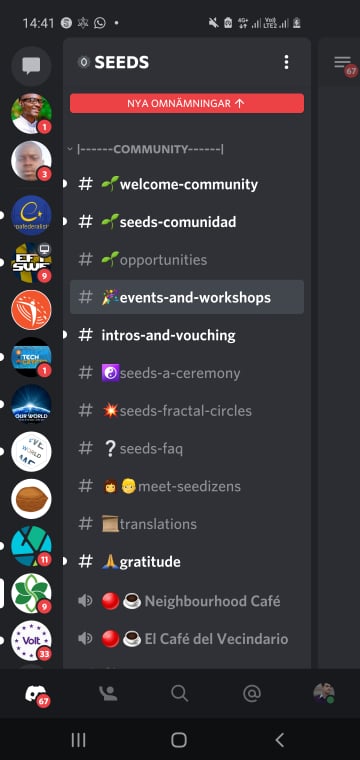






Good day,
Which blockchain network do you use for your operation, what type of consensus method is it? and in which category of blockchain lays down? as far as I understood is permissioned? do you have a whitepaper? thank you
I have the same questions as Timothy. Anyone can spin up a permission, centralised blockchain… but it’s just another database. Do you have a whitepaper and open-source knowledge on Github?